

Lorem ipsum dolor sit amet, consectetur adipiscing elit, sed do eiusmod tempor incididunt ut labore et dolore magna aliqua. Ut enim ad minim veniam, quis nostrud exercitation ullamco laboris nisi ut aliquip ex ea commodo consequat. Duis aute irure dolor in reprehenderit in voluptate velit esse cillum dolore eu fugiat nulla pariatur. Excepteur sint occaecat cupidatat non proident, sunt in culpa qui officia deserunt mollit anim id est laborum.”
Spring 2026 + Spring 2027: A re-examination of “Lyric” as occasion as well as genre. Central questions to be explored will include: how do the “lyrics” of composed song come alive in performance? For example, how do the two librettists of Puccini’s opera “La Bohème” contribute to the making of a masterpiece in song? Shared readings include “The Lyric Theory Reader: A Critical Anthology”, edited by Virginia Jackson and Yopie Prins. Students are free to select as their focus of research any particular “lyric” traditions, composed in whatever language. No previous knowledge of literary theory is presumed.
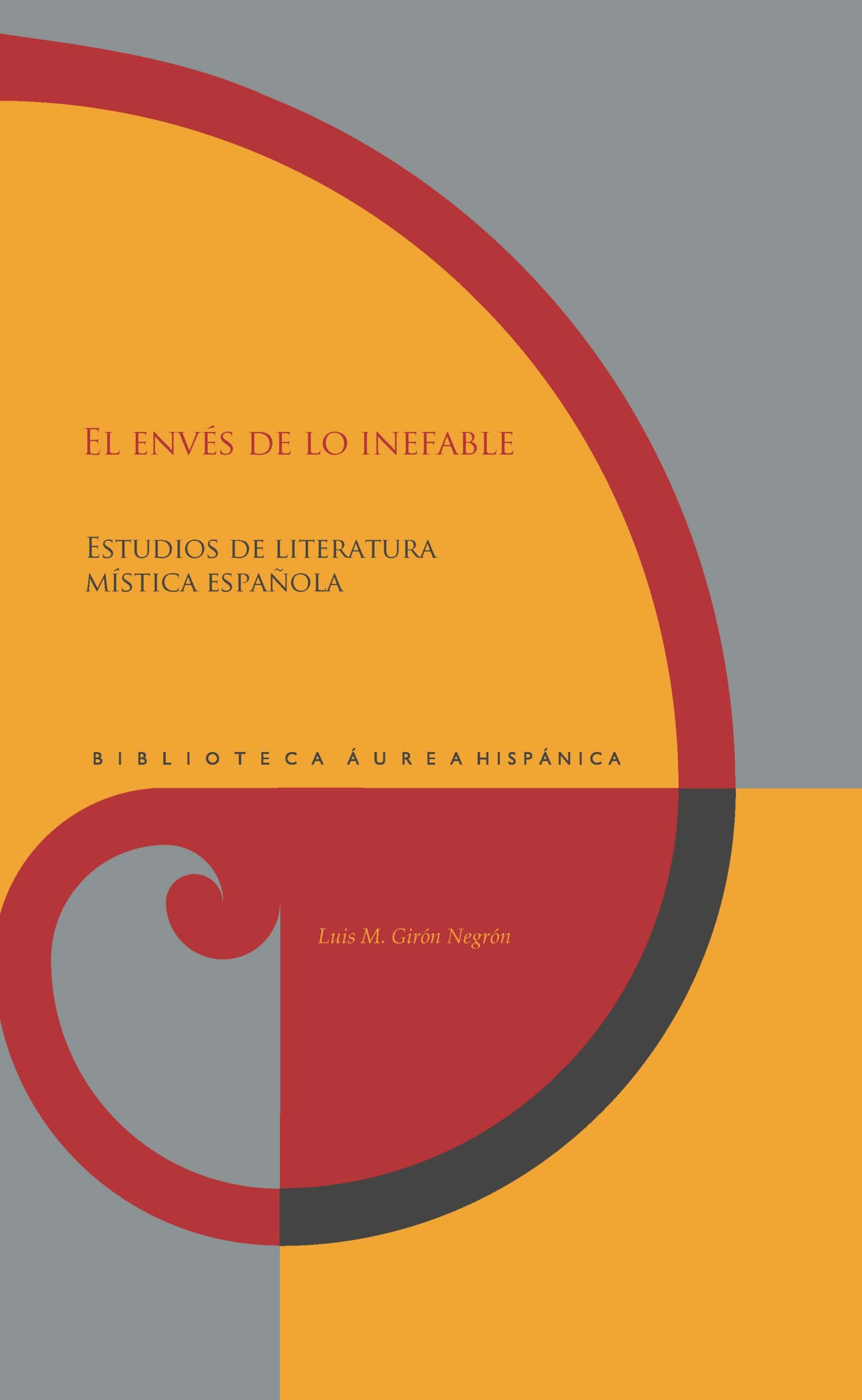
Examines trends, issues and debates in the comparative study of mystical literature. Close readings of primary works by Jewish, Christian and Muslim authors from the Middle Ages through the 16th century. Topics include poetry and mysticism; allegory, symbolism and Scripture; the rhetoric of ineffability; body and gender; apophasis vs cataphasis; exemplarity and autobiographism; language and experience. Also examines creative engagement of pre-modern mystical literature in selected works by modern authors and literary theorists.

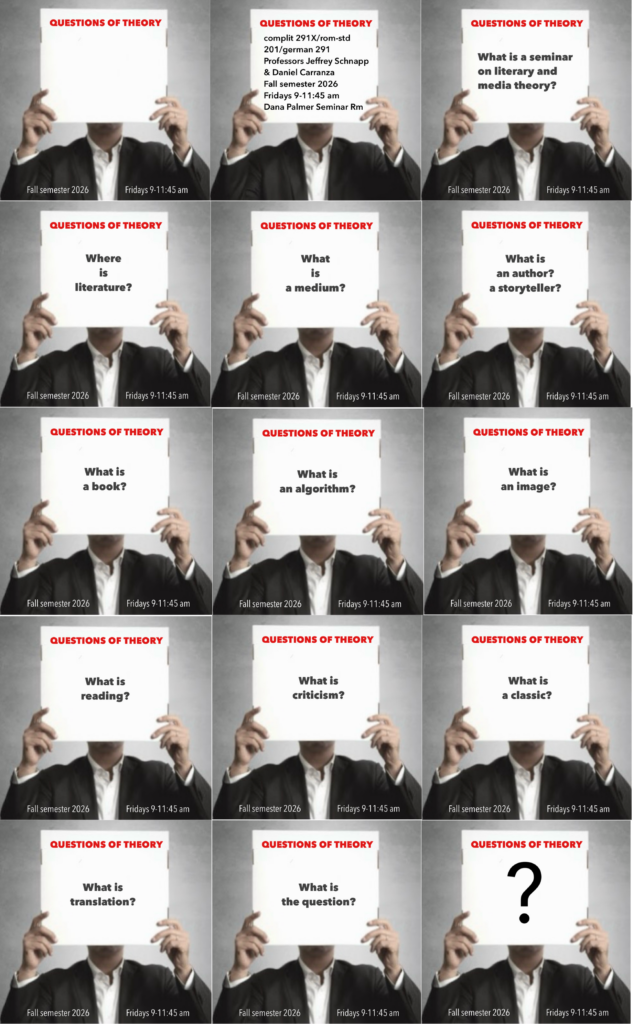
The seminar is built around a sequence of fundamental questions regarding the literary disciplines and media studies, their history and epistemology. Discussions are instigated by readings in philology, stylistics, the history of ideas, semiotics, structuralism, psychoanalysis, post-structuralism, film and media theory, genetic criticism, literary sociology, cultural studies, and digital humanities.

If you’re taking this course, it means Comparative Literature is your concentration or your secondary field. Welcome to the discipline! But what does it mean to be a comparatist? This spring, we will wander together through the different paths Comparative Literature offers.
This is a course on history and methods. We will trace how the understanding of what it means to compare has changed through time and space. We will examine the sociopolitical roots of the discipline and think together with the intellectuals who shaped its different stages. To tell the stories of the discipline is, of course, also to inquire into its methods. We will experiment with different analytical modes, and see how they allow us to interact with literary texts. And we will explore theoretical and critical possibilities of both grounding and expanding our readings.
A re-examination of “Lyric” as occasion as well as genre. Central questions to be explored will include: how do the “lyrics” of composed song come alive in performance? For example, how do the two librettists of Puccini’s opera La Bohème contribute to the making of a masterpiece in song? Shared readings include The Lyric Theory Reader: A Critical Anthology, edited by Virginia Jackson and Yopie Prins. Students are free to select as their focus of research any particular “lyric” traditions, composed in whatever language. No previous knowledge of literary theory is presumed.
Cosmopolitanism has been a vital master concept for understanding modern and modernist processes of global circulation, disjunction, and transnational/translational formations and subjectivities. Today, the displacement of more than 122 million refugees, migrants, and forcibly displaced persons driven by environmental catastrophes, economic hardships, and small and large-scale perpetual wars in Latin America, Africa, the Middle East, Europe, and East Asia points to the radical dislocation of the symbolic structure we used to call “world.” Is the concept of cosmopolitanism still useful for interrogating this generalized sense of global crisis? Can cosmopolitanism still be posited as a radical utopian horizon from which to oppose the militarization of the globe? What is the ethico-political potential today of “a cosmopolitanism without a world”? This seminar is not about the very real historical suffering and losses of those whose bodies are wounded by the political, economic, military, and environmental upheavals; rather, it is about the post-cosmopolitan traces of those experiences in art, literature, film, and theory, and about how we can determine what art and the critical humanities can and can no longer do about the contemporary experience of what we will call “the end of the world.
Remembering and forgetting, evoking and overlooking: they are parts of our everyday life, as well as practices that cement cultures, traditions, and our ideas of self. This course explores the connections between literature and memory. It looks at a period of particular global conflict over memory, when after the end of World War II, the world moves into the decades of the Cold War. We ask how literature participates in the construction of memory and how it sheds light on different sorts of vulnerability and abuses of memory. In what different roles does literature put us as readers in order to compel us to keep memory alive, participate in its construction, or be tempted into forgetfulness? Through literary and theoretical texts, we will discuss the role of literature in narrating tragic and overwhelming experiences, which hardly find their place in language. We will look at the ways in which past and its evocation can be––deliberately or not––distorted, censored, and used for political aims. And we will reflect on everyday practices of trying to keep memory alive, or trying to forget.
Founded as a graduate program in 1904 and joining with the undergraduate Literature Concentration in 2007, Harvard’s Department of Comparative Literature operates at the crossroads of multilingualism, literary study, and media history.
© 2023 President and Fellows of Harvard College
Sign up to receive news and information about upcoming events, exhibitions, and more