Areas of Study

Translation studies

Spring 2026: We read a range of historically important works of literature from around the world—twice! We read everything carefully in more than one translation to learn the art of rereading, as well as how to enjoy and critique translations, not just read “through” them. We also learn about the structure of a range of languages, and think about how those languages shape their literatures. This is a great class to take if you’re thinking about learning a new language in the future. It’s also a good entryway to other literature and language classes for first- and second-year students, as well as for students concentrating in fields outside the humanities. Through a sequence of assignments in analyzing what translations do, we hone your writing for clarity, economy, and logic. This course also counts toward the Secondary Field in Translation Studies. Taught in English; no other languages required (just curiosity).

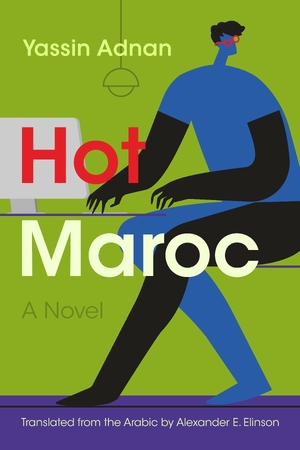
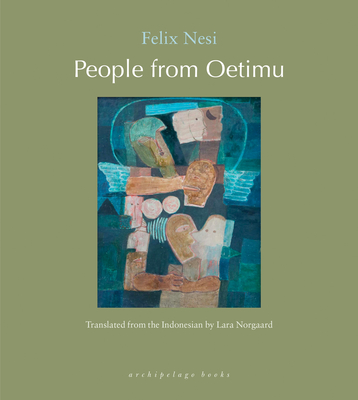
Spring 2026: In this course, students will read English translations of ten novels that have recently won major prizes. In addition to exploring themes of contemporary literature from around the world, special attention will be paid to the role of translation in shaping the work and its reception, and to the question of what makes for a prize-winning translation. Each week students will read a prize-winning translated novel alongside reports from the prize committee, reviews of the translation, and what the translators say about their work.

Course Page

Courses

Spring 2026

Friday

COMPLIT 145: Prize-Winning Translations, 2010-2025

Luke Leafgren

Course Video

In this course, students will read English translations of ten novels that have recently won major prizes. In addition to exploring themes of contemporary literature from around the world, special attention will be paid to the role of translation in shaping the work and its reception, and to the question of what makes for a prize-winning translation. Each week students will read a prize-winning translated novel alongside reports from the prize committee, reviews of the translation, and what the translators say about their work.

This course satisfies the Arts & Humanities distribution requirement, counts towards the Secondary in Translation Studies, and may be taken pass/fail upon application.

In Person

Spring 2026

Tuesday, Thursday

COMPLIT 190X/HUM 6: Translation and the Craft of Reading Carefully: A World Literature Introduction

Spencer Lee-Lenfield

Course Video

We read a range of historically important works of literature from around the world—twice! We read everything carefully in more than one translation to learn the art of rereading, as well as how to enjoy and critique translations, not just read “through” them. We also learn about the structure of a range of languages, and think about how those languages shape their literatures. This is a great class to take if you’re thinking about learning a new language in the future. It’s also a good entryway to other literature and language classes for first- and second-year students, as well as for students concentrating in fields outside the humanities. Through a sequence of assignments in analyzing what translations do, we hone your writing for clarity, economy, and logic. This course also counts toward the Secondary Field in Translation Studies. Taught in English; no other languages required (just curiosity).

In Person

Fall 2025

Harvard Hall 103

Tuesday

TS 280: Translation Proseminar: History, Research, Theories, Craft

Spencer Lee-Lenfield

This course has several interrelated but distinct missions. First, we read selected major works from the history of attempts to theorize literary translation. Second, we read an array of contemporary examples of research on the translation of literature. Third, we also speak with a range of visitors about the production, publication, and dissemination of translations. And fourth, students have an option of drafting a research article or undertaking a major translation project. Graduate students from a range of disciplines are welcome; those pursuing the Secondary Field in Translation Studies (for which this class is a capstone requirement) will receive priority. Undergraduates interested in the course should contact me to explain their reasons; seats will be allocated as available.

In Person

People

Assistant Professor of Comparative Literature

Faculty of Arts and Sciences

Office: Dana-Palmer 206

Office Hours: Wednesday 10–12 or by appointment

Harry Tuchman Levin Professor in Literature, Professor of East Asian Languages and Civilizations, Harvard College Professor

Faculty of Arts and Sciences

Office: c/o Reischauer Institute CGIS South S222 1730 Cambridge Street, Cambridge, MA 02138 USA

Office Hours: Th. 12-1pm and by appointment

Irving Babbitt Professor of Comparative Literature and Professor of English, Emeritus

Faculty of Arts and Sciences

Office: Barker Center 265

Sangam Professor of South Asian Studies and Comparative Literature

Faculty of Arts and Sciences

Office: 1 Bow Street, 336

Office Hours: Th. 3-6 PM or by appointment

Lecturer on Comparative Literature

Faculty of Arts and Sciences

Office: Mather House Dean's Office, 10 Cowperthwaite Street

Areas of Study